
Maintaining your vehicle is essential for ensuring its longevity and performance. While it may not be the most exciting task, regular attention to your car can save you from costly repairs and enhance your safety on the road. This article provides a comprehensive list of car maintenance tips that can help keep your vehicle in top shape and prevent major issues down the line.
Faulty spark plugs can lead to significant engine problems. Regularly checking and replacing spark plugs can prevent costly repairs down the line. It's advisable to inspect and change your spark plugs approximately every 30,000 miles to maintain optimal engine performance.
Maintaining proper coolant levels is essential to prevent corrosion and overheating in your vehicle. Regularly checking your coolant can help ensure that your car's heating and cooling systems are functioning properly. It's recommended to check your coolant levels at least twice a year to avoid serious engine issues.
The suspension system is vital for a smooth driving experience. Regularly checking the shocks, springs, and struts can prevent issues that may lead to costly repairs. It's advisable to inspect the entire suspension system every 15,000 to 30,000 miles to ensure everything is functioning correctly.
Regular tire rotation is key to extending the life of your tires. By rotating them, you ensure even wear, which can save you money in the long run. It's recommended to rotate your tires every 3,000 to 5,000 miles to maintain optimal performance and safety.
Visibility is crucial for safe driving, and having functional windshield wipers is essential. If your wipers are worn out, replacing them can cost around $50 to $61. It's advisable to check your wipers at the start of each season and replace them as needed to ensure clear visibility during adverse weather conditions.
The cabin air filter plays a significant role in maintaining air quality inside your vehicle. An old or clogged filter can lead to problems with your air conditioning system, which can be expensive to repair. It's recommended to replace your cabin air filter every 12 months or 12,000 miles to ensure clean air circulation and optimal performance of your AC system.
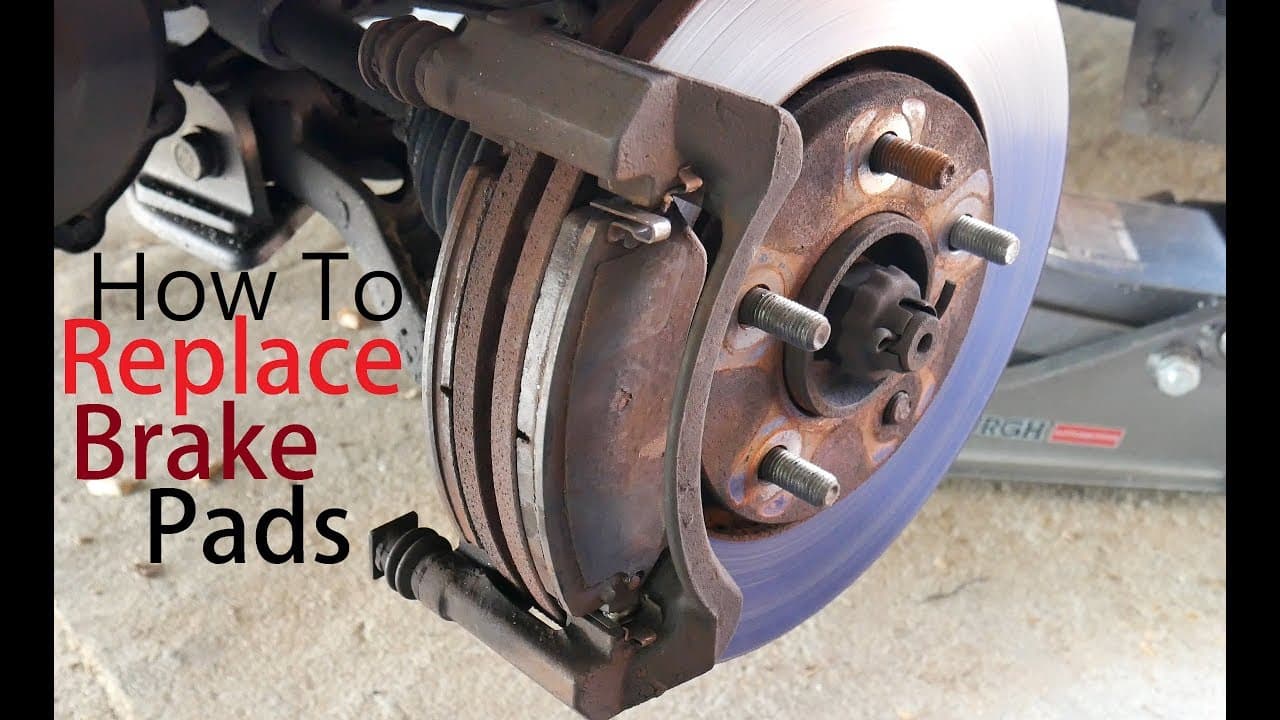
Brake pads are crucial for your safety while driving. If you hear squeaking sounds when applying the brakes, it may be time for a replacement. Ignoring this issue can lead to more severe problems and costly repairs, as brake replacements can run up to $300 per axle. Regularly checking your brake fluid during oil changes can help ensure your brakes are in good condition.
A clean battery is vital for your vehicle's performance. Over time, corrosion can build up on the battery terminals, which can lead to battery failure. Regularly cleaning the terminals with a wire brush can prevent costly replacements. It's also important to test your battery twice a year to ensure it is functioning properly and to check for any signs of corrosion.
Regular oil changes are essential for the longevity of your vehicle. Neglecting this maintenance can lead to severe engine issues, which can be costly to repair. An oil change typically costs between $35 and $75, a small price to pay compared to the potential expense of engine replacement. It's advisable to change your oil every 5,000 miles or according to your vehicle manufacturer's guidelines to keep your engine running smoothly.
Maintaining your spare tire is just as crucial as keeping the four tires on your vehicle in good condition. A flat spare can leave you stranded when you need it most, so it's wise to check its air pressure regularly. Spending a small amount at an air pump every few months can save you from the high costs of a tow truck in an emergency. It's recommended to test the air pressure of both your driving tires and your spare tire at least once a month to ensure they are ready for use.


